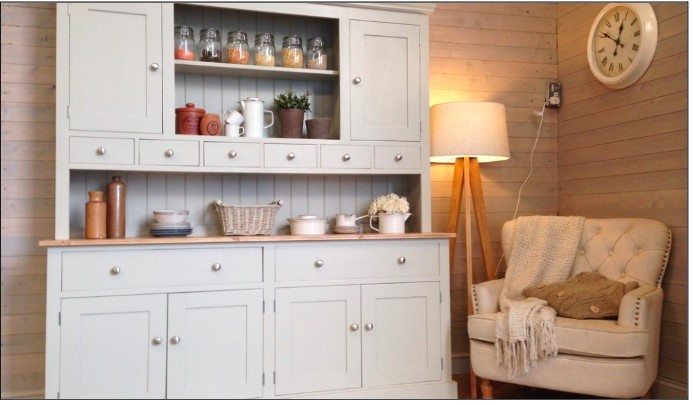
Handmade Furniture vs. Mass-Produced: Which is Right for You?
When it comes to furnishing your home, choosing between handmade and mass-produced furniture can be a tough decision. Both options have their advantages and drawbacks, and the choice often depends on your personal preferences, budget, and what you’re looking to achieve in your living space. In this blog, we’ll explore the differences between handmade furniture and mass-produced pieces, with a focus on options like wooden sideboards, handmade painted desks, and handmade dressers. By the end, you’ll have a clearer idea of which type of furniture is right for you.
Understanding the Key Differences Between Handmade and Mass-Produced Furniture
Before diving into the specifics, let’s take a moment to understand the core differences between handmade and mass-produced furniture.
- Handmade Furniture: As the name suggests, handmade furniture is crafted by skilled artisans, often in small batches or individually. Each piece is created with care, attention to detail, and a level of craftsmanship that mass-produced furniture simply can’t match. This type of furniture is usually made using high-quality materials, with a focus on durability and uniqueness.
- Mass-Produced Furniture: Mass-produced furniture, on the other hand, is made in large factories using automated machinery. This type of furniture is designed for mass consumption, meaning it is produced quickly, in bulk, and at a lower cost. While it may be more affordable, it often lacks the individuality and fine craftsmanship found in handmade pieces.
The Environmental Impact: Handmade vs. Mass-Produced Furniture
Sustainability is an important factor to consider when purchasing furniture. Handmade furniture generally has a smaller environmental footprint compared to mass-produced options. Artisans who create handmade furniture often source their materials locally and use eco-friendly techniques, ensuring the pieces are crafted with minimal waste. Additionally, many handmade pieces are built to last, meaning you won’t need to replace them as often, which is better for the environment in the long run.
Mass-produced furniture, however, is often manufactured using processes that involve more energy consumption and the use of synthetic materials. These furniture pieces are also typically designed with a shorter lifespan in mind, which can lead to more frequent replacements and, ultimately, more waste.
Cost Comparison: Is Handmade Furniture Worth the Investment?
One of the most significant factors when choosing between handmade and mass-produced furniture is cost. Generally, handmade furniture tends to be more expensive than mass-produced options. The reason for this is the time and effort that goes into crafting each piece by hand, as well as the higher-quality materials used in production.
However, while handmade furniture may have a higher upfront cost, it is often a better investment in the long run. Handmade pieces are typically more durable and made to last for generations, while mass-produced furniture may need to be replaced after only a few years of use.
Personalisation in Handmade Furniture: A Touch of Uniqueness
One of the major advantages of choosing handmade furniture is the ability to personalise each piece. When you order a handmade item, you can often request customisations to match your style and needs. For example, if you’re looking for a handmade corner cabinet, you can work with the artisan to choose the perfect size, finish, and design to complement your home.
Similarly, if you’re in the market for a shabby chic Welsh dresser, you can customise the colours, distressing, and hardware to achieve the look you want. Handmade pieces allow you to inject your style into your home in a way that mass-produced furniture simply can’t.
Durability and Quality: Which Option Lasts Longer?
Durability is a key consideration when choosing furniture. Handmade furniture is typically built to last, as skilled artisans focus on quality construction and attention to detail. Whether it’s a plank-top dining table, handmade pieces are often made with solid wood, high-quality finishes, and strong joinery techniques, ensuring they stand the test of time.
In contrast, mass-produced furniture is often made with cheaper materials like particleboard, MDF, or plywood, which may not be as durable. While it may be a budget-friendly option initially, mass-produced furniture may not withstand the wear and tear of everyday life, and you might find yourself replacing it more often than you’d like.
The Aesthetic Appeal: How to Match Furniture to Your Home’s Style
Furniture is an essential part of your home’s design, and choosing the right pieces can make all the difference in creating a space that feels cohesive and stylish. Handmade furniture offers a unique, one-of-a-kind aesthetic that mass-produced furniture can’t replicate.
For example, if you’re looking to add a rustic touch to your living room, a wooden sideboard made from reclaimed wood can offer a charming and authentic feel. Alternatively, if you’re after a more contemporary look, a handmade dresser can be customised with modern lines and finishes to fit your style.
Mass-produced furniture, while often stylish, can sometimes feel generic or lacking in character. If you want something that reflects your personal taste and adds a unique touch to your home, handmade furniture is the way to go.
How to Care for Handmade Furniture to Keep It Looking New
Taking care of handmade furniture is essential to ensure it stays looking beautiful for years to come. Here are a few tips for maintaining your shabby chic Welsh dresser:
- Regular Cleaning: Dust your furniture regularly with a soft cloth to prevent dirt buildup. Avoid harsh cleaning products, as they can damage the finish.
- Use Coasters and Mats: To protect your furniture from spills and scratches, always use coasters, placemats, and trivets when placing drinks or hot items on the surface.
- Polishing: Wooden furniture benefits from periodic polishing. Use a wood-friendly polish or wax to maintain the shine and protect the surface.
- Avoid Direct Sunlight: Prolonged exposure to direct sunlight can cause the wood and finishes to fade. Keep furniture away from windows or use curtains to block out harsh sunlight.
The Story Behind Handmade Furniture: Supporting Artisans and Craftsmanship
One of the most rewarding aspects of purchasing handmade furniture is supporting skilled artisans and their craft. Each piece is made by a person who takes pride in their work and has a passion for creating high-quality, unique items. By choosing handmade furniture, you’re not just buying a product; you’re investing in the craftsmanship and artistry that goes into making each piece.
When you buy handmade furniture, you’re supporting local businesses and helping keep traditional woodworking skills alive. It’s a more personal, meaningful way to furnish your home.
Space Planning: Which Type of Furniture Fits Better in Your Home?
The size and layout of your space will also influence your furniture choices. Handmade furniture is often customisable, meaning you can order pieces that fit your space perfectly. Whether it’s a plank-top dining table for a large family or a wooden sideboard to fit into a narrow hallway, handmade furniture allows for greater flexibility.
Mass-produced furniture is often designed in standard sizes, which may not always fit your space as seamlessly. If you have unique requirements or a non-standard room layout, handmade furniture might be the best choice.
The Pros and Cons: A Guide to Help You Make the Right Choice
To wrap up, here’s a quick comparison of the pros and cons of handmade vs. mass-produced furniture:
Handmade Furniture
- Pros: Unique, customisable, high quality, durable, supports artisans
- Cons: Higher cost, longer wait time for delivery
Mass-Produced Furniture
- Pros: Affordable, readily available, wide variety of styles
- Cons: Less durable, lacks individuality, often lower quality materials
Conclusion: Which Is Right for You?
In the end, whether you choose handmade furniture or mass-produced items, the key is to find pieces that complement your lifestyle and enhance your home. Explore the range of handmade furniture available at Farmhouse Furnishings for timeless, beautifully crafted pieces that will transform your living space.
No matter what you choose, make sure your furniture reflects your style and enhances the overall feel of your home.